The Best Wineries on Mount Etna
Ten Mount Etna wineries worth a visit — Benanti, Tornatore, Gambino, Cottanera, Pietradolce and more — with which slope each sits on, who each one suits, and which you can book through this site.
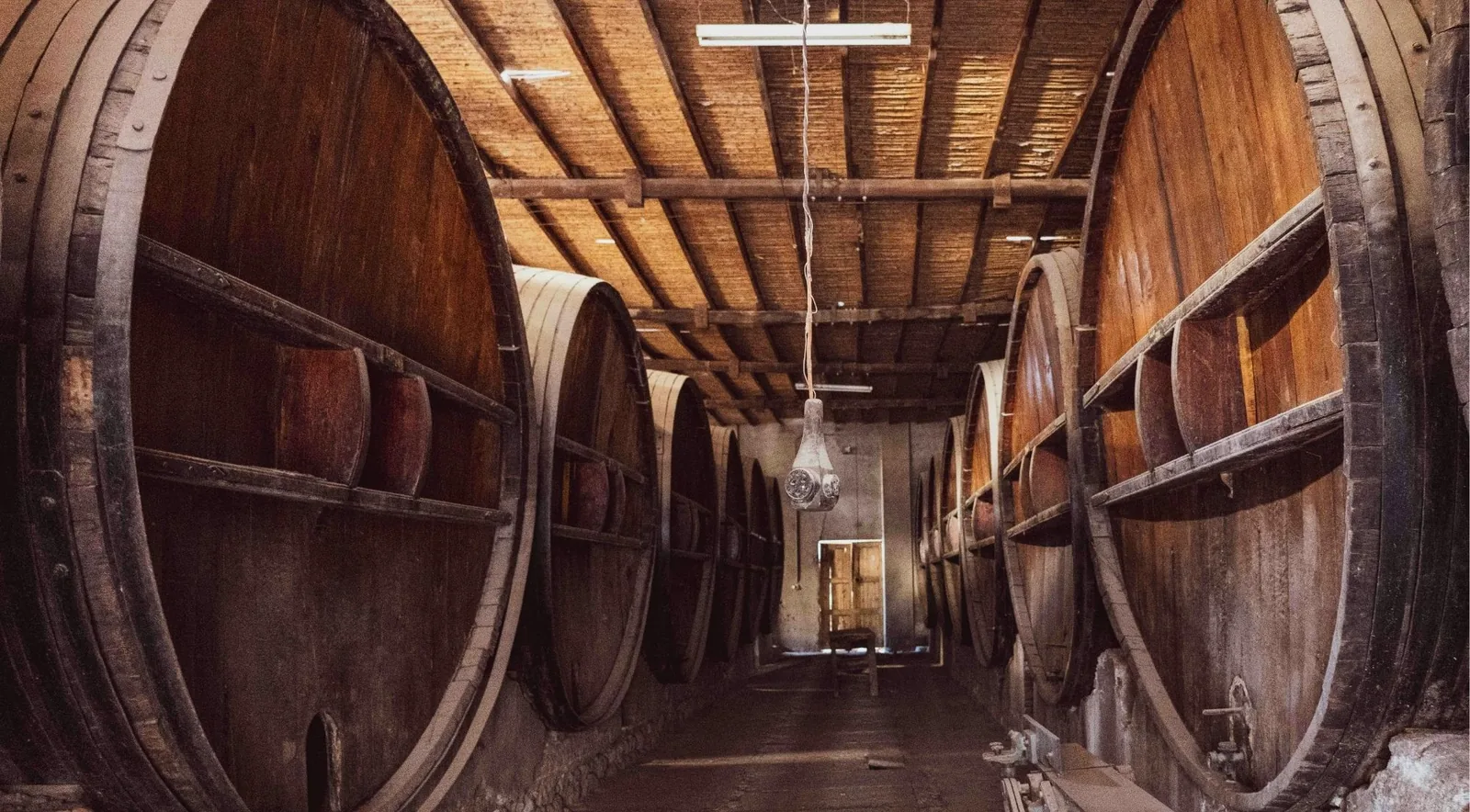
Mount Etna is not a volcano with vineyards around it. It is one of Sicily’s most distinctive wine regions in its own right, and the vines grow across old lava flows, terraces and slopes that face four different directions.
That difference is the whole reason the choice of winery matters. A tasting on the northern side feels nothing like one at Milo or Santa Venerina on the east. Some estates are built for people who want to compare contrade — Etna’s named vineyard districts — glass against glass. Others are better for a long lunch, a view, or a first introduction to Etna Rosso and Etna Bianco.
If you have one day, you do not need to see as many wineries as possible. Two well-chosen estates beat four rushed ones every time.
This guide covers the estates that are genuinely worth a visitor’s time, which is not the same list as Etna’s most collectable labels.
Check Availability
Best Mount Etna wineries at a glance
| Winery | Area | Best for | Bookable here? |
|---|---|---|---|
| Benanti | Viagrande / southeast Etna | Serious wine lovers, and an introduction to Etna’s different slopes | Contact estate — GYG match not confirmed |
| Tornatore | Castiglione di Sicilia / north Etna | First-time visitors and structured tastings | Cellar tour, four wines and tasting board — listed as a new activity |
| Gambino Vini | Linguaglossa / northeast Etna | Vineyard views, food pairings, and visitors staying near Taormina | Four-wine tasting, premium tasting or Taormina half-day tour |
| Cottanera | Castiglione di Sicilia / north Etna | Contrada wines and vineyard-focused visits | Contact estate — GYG match not confirmed |
| Palmento Costanzo | Passopisciaro / north Etna | Historic atmosphere and traditional Etna winemaking | Contact estate — GYG match not confirmed |
| Planeta – Sciaranuova / Feudo di Mezzo | Passopisciaro / north Etna | Modern wine tourism and polished hospitality | Contact estate — GYG match not confirmed |
| Barone di Villagrande | Milo / east Etna | Lunch, Carricante and eastern-slope wines | Contact estate — GYG match not confirmed |
| Murgo | Santa Venerina / east Etna | Sparkling wine, food, and an overnight wine-resort stay | Contact estate — GYG match not confirmed |
| Pietradolce | Solicchiata / north Etna | Architecture, old vines and premium Etna wines | Contact estate — GYG match not confirmed |
| Tenuta di Fessina | Rovittello / north Etna | A smaller, slower, more intimate estate | Contact estate — GYG match not confirmed |
Booking options checked 15 September 2026: Tornatore and Gambino have matching GetYourGuide listings linked above. For the other eight estates, we did not find a confirmed listing that names the estate in its itinerary or booking details. Contact those wineries directly to arrange a visit. A generic Etna wine tour does not guarantee a stop at a particular producer; confirm the estate before booking.
What makes Etna wineries different?
Etna is unusually fragmented.
Rather than one uniform growing area, the vineyards wrap around several sides of the volcano. Altitude, exposure to the sea, rainfall, temperature and the age of the individual lava flow underfoot all change from one parcel to the next.
That is why Etna producers talk about contrade more than almost anything else.
A contrada is roughly a named vineyard district. Two vineyards a short drive apart can sit on volcanic soils of different ages, under noticeably different microclimates, and taste it.
The principal local grapes are:
- Nerello Mascalese — the main red grape of Etna
- Nerello Cappuccio — traditionally blended with Nerello Mascalese
- Carricante — Etna’s most important white grape
- Catarratto and other permitted local varieties — sometimes used in white blends
For a first visit, do not try to memorise the contrada map. A good tasting will make the differences land far faster than any diagram — and the appellation rules behind all of it are set out in our Etna DOC guide, while the Etna wine region guide covers the geography: which villages sit where, and which side of the volcano suits which grape.
1. Benanti
Best for: serious wine lovers, and understanding Etna as a complete region Area: Viagrande, southeast Etna
If you want one winery that explains why Etna wine matters, Benanti is among the strongest places to start.
The estate played a central role in the modern revival of Etna wine, and its range is unusually useful because Benanti works vineyards on several sides of the volcano rather than presenting Etna as a single terroir.
That makes a tasting here genuinely educational without tipping into the technical.
Why visit Benanti?
The appeal is comparison.
Etna changes sharply from slope to slope, and Benanti’s wines show how Nerello Mascalese and Carricante respond to different exposures, elevations and volcanic soils.
If you care about the wine itself, pay attention to Pietra Marina, the estate’s well-known Etna Bianco Superiore from Carricante, alongside the Etna Rosso selections.
Choose Benanti if:
- wine quality matters more to you than a long lunch
- you want to understand Etna’s terroir rather than simply taste several wines
- you already know something about Sicilian wine
- you want a foundation before visiting smaller producers
Consider another winery if: your priority is a big panoramic terrace, a casual food-heavy tasting or a relaxed family outing. Benanti rewards genuine interest in the wine.
2. Tornatore
Best for: first-time visitors who want a clear, well-organised tasting Area: Castiglione di Sicilia, north Etna
Tornatore is one of the easiest wineries to recommend to somebody making their first wine trip around Etna.
The estate sits on the northern side, one of the most important areas for Nerello Mascalese, and its visitor programme runs from a straightforward introductory tasting up to detailed contrada-focused sessions.
That gives you room to decide how serious the visit should be.
Book a visit: Tornatore cellar tour with four wines and a tasting board. The listing covers a 90-minute experience with local wines, cured meats and cheeses. GetYourGuide marked it as a new activity when checked on 15 September 2026; check its current reviews and available dates.
Why visit Tornatore?
Tornatore is particularly good if you do not yet know whether you prefer Etna Bianco, Etna Rosato or Etna Rosso.
A basic tasting introduces all three styles; the more advanced ones move into individual contrada wines. Some add local cheeses, cured meats or time among the vines.
For a visitor trying to understand the region in one stop, that breadth is the point.
Choose Tornatore if:
- this is your first Etna winery
- you want several tasting formats to choose between
- you want to compare classic Etna wines with contrada bottlings
- you are building a north-Etna day around Castiglione di Sicilia
Consider another winery if: you want an intimate boutique experience. Tornatore’s strength is an organised, comprehensive visitor operation rather than the feeling of visiting a tiny producer.
3. Gambino Vini
Best for: views, food pairings and travellers based in Taormina Area: Linguaglossa, northeast Etna
Gambino is the easiest winery on this list to love without being a wine expert, and you can book its tastings from this page.
Its vineyards sit high above Linguaglossa at around 900 metres, with wide views across to the Ionian side of Sicily. The setting is a real part of the experience. The estate also leans hard into food-and-wine pairings, which makes it a strong choice for couples, groups and first-timers.
Why visit Gambino?
Come when you want the winery to be part of the sightseeing day rather than a lesson in vinification. You sit down with local food, taste a sequence of Etna wines, and look at the mountain.
It also makes geographical sense for anyone based in Taormina, Giardini Naxos or the northeast coast.
There are three ways in, and they are genuinely different days:
- The Etna Nord tasting — $47, 90 minutes, 4.85★ from 55 reviews. A sommelier-led tour of the 25-hectare estate and its cellar eleven metres underground, a welcome glass of white, then four current vintages with a hard-boiled egg, the estate’s own olive oil, preserves in oil and Sicilian cheeses. You drive yourself.
- The premium version — $68, two hours, 4.77★ from 135 reviews. Five glasses instead of four, and the food runs well past a cheese plate: cold cuts, a seasonal soup, grilled sausage with baked potatoes and spinach, and a Sicilian ricotta cannolo. This is lunch. Our breakdown →
- The Taormina half-day — $67, five hours, 4.70★ from 646 reviews, which is more than any other Etna wine tour on the market. Same estate, but with pick-up from central Taormina or the Giardini Naxos and Letojanni hotel strip, a guided cellar visit, four wines and a Sicilian aperitivo. Somebody else drives. Our breakdown →
Choose Gambino if:
- views are important to you
- you want wine paired with Sicilian food
- you are staying around Taormina
- your group enjoys wine without being specialists
Consider another winery if: you want to compare specific cru or contrada bottlings in detail. For that, pair Gambino with a more terroir-focused northern producer.
4. Cottanera
Best for: contrada wines, and seeing how vines shape the north-Etna landscape Area: Castiglione di Sicilia, north Etna
Cottanera suits visitors who have moved past “do I like Etna Rosso?” and on to “why does this Etna Rosso taste different from that one?”
The vineyards lie around Castiglione di Sicilia, where terracing, lava stone and named contrade are central to the identity of the place.
Why visit Cottanera?
The estate runs experiences that go beyond a tasting-room flight. Depending which you book, a visit can take in walks through the vineyards and tastings built around individual Etna DOC or contrada wines.
This is a good place to start noticing what vineyard site and vintage actually do.
Choose Cottanera if:
- you already enjoy Etna wine
- you want a vineyard-focused visit rather than a counter pour
- you are interested in contrada wines
- you want to spend most of the day on the northern side
Consider another winery if: you mainly want a casual tasting before lunch. Cottanera rewards time.
5. Palmento Costanzo
Best for: historic atmosphere and traditional Etna winemaking Area: Contrada Santo Spirito, near Passopisciaro
A palmento is the traditional Sicilian building where grapes were crushed and pressed, and there are ruined ones all over the mountain.
Palmento Costanzo restored one and built the visitor experience around it, which gives the estate a completely different character from a modern tasting room.
Why visit Palmento Costanzo?
This is the stop for anyone interested in how Etna wine connects to the agricultural history of the landscape. A visit can combine the vineyards of Contrada Santo Spirito, the old palmento itself and a tasting of the estate’s wines.
It is a clear example of how contemporary Etna producers work with buildings, terraces and vineyard structures inherited from earlier generations.
Choose Palmento Costanzo if:
- historic buildings matter to you
- you want both a vineyard and a cellar component
- you are interested in Passopisciaro and the northern contrade
- you want a tasting that feels rooted in old Etna
Consider another winery if: your priority is an elaborate lunch or a resort-style day.
6. Planeta – Sciaranuova and Feudo di Mezzo
Best for: polished hospitality and a modern introduction to Etna Area: Passopisciaro, north Etna
Planeta works across several Sicilian regions, but the Etna estate has an identity of its own.
The winery settled on the northern side around Passopisciaro and makes both Nerello Mascalese and Carricante there. Old lava, vineyards and contemporary architecture designed to sit in the landscape rather than on top of it.
Why visit Planeta on Etna?
Planeta suits travellers who want a well-run, visually polished experience without losing the sense of place.
It is also useful if you already know Planeta from elsewhere in Sicily and want to see how the same producer approaches Etna differently. The Etna range covers both classic expressions and more site-specific bottlings.
Choose Planeta if:
- you value polished hospitality
- you enjoy contemporary winery design
- you want an accessible introduction to the north-Etna landscape
- you already know Planeta’s Sicilian wines and want to compare regions
Consider another winery if: you specifically want a tiny family winery where the tasting is informal and personal.
7. Barone di Villagrande
Best for: lunch, white wine and the eastern slopes Area: Milo
Most visitors point themselves at the northern wineries. That is a mistake if you care about Carricante and Etna Bianco.
Milo, on the eastern side, is the only commune associated with the Etna Bianco Superiore designation, and Barone di Villagrande is one of the best places to experience that side of the mountain.
Why visit Barone di Villagrande?
The estate pairs guided tastings with a serious food component — the kitchen cooks seasonal dishes specifically to go with the wines, which makes this a long lunch rather than a quick stop.
The landscape is markedly greener than parts of the north, because the eastern slopes take more maritime influence and more rain.
Choose Barone di Villagrande if:
- you love white wine
- Carricante is a priority
- you want lunch to be part of the visit
- you are staying around Catania, Acireale or the east coast
- you want to compare east Etna with north Etna
Consider another winery if: you want a day focused almost entirely on Nerello Mascalese and the northern contrade.
8. Murgo
Best for: sparkling wine, food, and staying overnight among the vines Area: Santa Venerina, east Etna
Murgo adds something no other estate on this list does: Metodo Classico sparkling wine.
The family has a long history here and receives visitors at Tenuta San Michele on the eastern side, where the winery comes with a restaurant and a wine resort. That makes it one of the easiest estates to build a slow food-and-wine day around.
Why visit Murgo?
If every tasting on your itinerary is built on Etna Rosso, palate fatigue arrives faster than you expect.
Murgo gives you another side of the region, particularly through the sparkling wines alongside the still Etna DOC bottles. You can also make the estate the destination rather than a stop, by eating or staying there.
Choose Murgo if:
- you enjoy traditional-method sparkling wine
- you want a winery lunch or dinner
- you would like to stay overnight on a wine estate
- you are exploring east Etna rather than the Passopisciaro corridor
Consider another winery if: you have a few hours and want the strongest possible introduction to the contrada system.
9. Pietradolce
Best for: premium wine, old vineyards and striking design Area: Solicchiata, north Etna
Pietradolce is the most visually distinctive modern winery on the northern side.
Its vineyards run across several important contrade — Rampante, Zottorinoto, Santo Spirito and Feudo di Mezzo — at elevations well into Etna’s high vineyard zone, and the estate also works vines on the eastern side near Milo.
Why visit Pietradolce?
This is the stop for visitors who care about the wine and the architecture in equal measure. The contemporary cellar uses lava stone and modern design while the vineyards around it stay unmistakably Etnean. The contrast works.
It is also the logical choice if you already know Etna wine and want time with single-site or higher-end bottlings.
Choose Pietradolce if:
- wine quality is your main priority
- you appreciate winery architecture
- you want a premium north-Etna tasting
- you are interested in old vines and specific contrade
Consider another winery if: you are after the most casual or food-heavy experience.
10. Tenuta di Fessina
Best for: a slower, more intimate vineyard visit Area: Rovittello, north Etna
Tenuta di Fessina feels different from the larger visitor-focused estates.
An old lava-stone palmento sits at the centre of the vineyard, and the property leans into the relationship between that building, the old vines around it and the wines. Tastings are designed around the estate rather than a flight poured at a counter.
Why visit Tenuta di Fessina?
Choose Fessina when you want to slow the day down.
It suits travellers who like smaller properties, historic atmosphere, and a tasting where the story of the vineyard matters as much as the number of glasses. The portfolio covers Nerello Mascalese-based reds and Carricante-focused whites.
Choose Tenuta di Fessina if:
- you prefer intimate estates
- you dislike rushed tasting-room visits
- you want history and vineyard atmosphere
- you have already done one larger winery and want the contrast
Consider another winery if: you need a very quick tasting, or you are travelling with a large group that needs a more structured operation.
Which side of Mount Etna is best for wineries?
There is no single best side. The right area depends on what you want from the day.
North Etna: best for a classic wine-touring day
The northern side around:
- Passopisciaro
- Solicchiata
- Castiglione di Sicilia
- Linguaglossa
holds the greatest concentration of the wineries international visitors associate with modern Etna wine. It is strongest for Nerello Mascalese, Etna Rosso and contrada wines.
If you have one day and wine is the point of it, north Etna is the easiest area to build an itinerary around. Good choices include Tornatore, Cottanera, Palmento Costanzo, Planeta, Pietradolce, Tenuta di Fessina and Gambino. See the Etna Nord page for what that looks like as a day.
East Etna: best for Carricante, food and a quieter wine day
The eastern side around:
- Milo
- Santa Venerina
- Zafferana Etnea
is the one to pick if you love white wine. Milo has a particularly important relationship with Carricante and Etna Bianco Superiore, and the landscape feels greener under the influence of the nearby Ionian Sea.
Good choices include Barone di Villagrande and Murgo. We have not confirmed a GetYourGuide itinerary that guarantees either estate, so contact the winery directly if that particular stop matters. For a broader eastern-side experience, the Catania half-day Etna and wine tour lists a tasting stop at Zafferana Etnea; its current itinerary does not name the winery.
Southeast Etna: useful from Catania
Viagrande and the southeastern foothills are convenient if you are staying in or around Catania and do not want to lose the day driving around the north side. Benanti is the standout wine-focused stop, and the Etna Sud page covers what else the southern flank offers.
If you can visit only one Mount Etna winery
There is no universal answer, but these are useful shortcuts.
Best first winery: Tornatore. Choose it for a broad introduction with clearly structured tasting options.
Best for wine enthusiasts: Benanti. Choose it when understanding Etna’s grapes, slopes and terroir matters more than scenery or lunch.
Best for views and a relaxed tasting: Gambino. Choose it when your group wants scenery and food as much as wine — and it is the one you can book on a date right now.
Best for lunch: Barone di Villagrande. Choose it when the winery visit should be the main meal of the day.
Best for historic atmosphere: Palmento Costanzo. Choose it when old Etna wine culture and traditional buildings are part of the attraction.
Best for a premium north-Etna experience: Pietradolce. Choose it when you already enjoy Etna wine and want the visit to be about the wine.
How many Etna wineries should you visit in one day?
Two wineries is right for most people.
Three can work if:
- they are close together
- at least one tasting is short
- you have a driver
- you are not also going up the volcano
Four turns the day into a schedule rather than an experience.
A single visit takes 60–120 minutes once you count:
- arrival
- the vineyard or cellar tour
- the tasting
- food
- questions
- buying wine
- waiting for the group to finish
Driving between estates takes longer than the map suggests, too. Etna’s roads wind around the mountain rather than cutting across it.
Best two-winery combinations
For a first wine day
Tornatore + Gambino. One structured north-Etna tasting and one scenic, food-friendly one.
For serious wine lovers
Benanti + Barone di Villagrande. A useful comparison between Etna’s southeastern and eastern wine cultures, from two producers with strong identities.
For north-Etna contrada wines
Cottanera + Palmento Costanzo. Good if you want to stay around Castiglione di Sicilia and Passopisciaro.
For architecture and premium wines
Pietradolce + Planeta. For visitors who enjoy contemporary winery design and site-specific Etna wines in equal measure.
For a slower food-and-wine day
Barone di Villagrande + Murgo. Stay on the eastern side, allow time for food, and avoid turning the day into a long driving loop.
Every pairing above assumes you are organising the estates yourself. If you would rather somebody else did, the equivalent bookable days are the small-group two-winery day from Taormina — $162, 8.5 hours in a nine-seater, 4.83★ from 107 reviews, with an aperitivo of local products at the first estate and three DOP Etna wines over a full lunch at the second, plus a stop in Castiglione di Sicilia; it excludes under-18s — and the private three-winery day from $314 per person, 4.91★ from 105 reviews, which is the only realistic way to do three properly: ten wines, food at every stop, a sommelier at each estate and hotel or cruise-port pick-up. Two-winery breakdown → · Private day breakdown →
Should you drive yourself or book a Mount Etna wine tour?
Both work. They produce very different days.
Self-driving is best if:
- somebody in your group is happy not to drink
- you want to choose very specific wineries
- you are comfortable on narrow Sicilian roads
- you want to stop in villages like Castiglione di Sicilia, Linguaglossa or Milo
- you are staying locally on Etna
The disadvantage is not subtle: the driver cannot properly take part in the tastings. Of the estates on this list, self-driving is the only way to reach nine of them — and it is also the cheapest way to do Gambino, at $47 for the cellar-door tasting against $67 for the same estate with transport.
A guided wine tour is best if:
- everyone wants to drink
- you are staying in Catania or Taormina
- you do not want to coordinate several winery reservations
- you are combining volcano sightseeing with wine tasting
- you prefer hotel pick-up and drop-off
For most first-time visitors, paying for the transport makes the wine day noticeably more relaxing. Compare the departures on the Taormina page and the Catania page, read which of the twelve formats suits you, or start with the Catania guide if that is where you are sleeping.
One warning that applies to both routes: if the tour includes the volcano and a winery, check how much time is actually given to the wine. Some “Etna and wine” days are a crater walk with a glass attached, while a dedicated wine tour visits two or three estates.
Do you need to book Etna wineries in advance?
For every winery in this guide, yes.
Do not assume that because an estate sells tastings it works like a bar you can walk into. Advance booking matters most for:
- lunch tastings
- vineyard tours
- private tastings
- premium or contrada tastings
- weekends
- harvest season
- groups
- visits outside the peak months
Some estates close seasonally or cut back their tasting schedule, so confirm the date directly before you drive anywhere. The GetYourGuide listings above are the exception in one specific way — they confirm instantly and can be cancelled free up to 24 hours ahead, which is useful when the rest of your itinerary is still moving.
What should you taste on Mount Etna?
On a first visit, try to cover at least:
- Etna Bianco — usually led by Carricante
- Etna Rosso — principally Nerello Mascalese
- A contrada wine — if one is offered
- An older vintage — if the tasting runs to one
The most useful comparison is often not red against white but one vineyard against another.
Etna’s reputation rests on the idea that small changes in altitude, lava, exposure and microclimate produce distinctly different wines. That is far easier to believe when two glasses are side by side in front of you.
Is Etna Rosso the only wine worth tasting?
Definitely not.
Etna Rosso takes most of the international attention, but Carricante is often the real discovery of an Etna wine trip.
Etna Bianco can be:
- citrus-driven
- herbal
- saline
- smoky
- mineral
- high in acidity
- capable of real complexity with age
If you normally prefer white wine, do not choose your winery by whoever makes the most famous Etna Rosso. Spend part of the day on the eastern side, particularly around Milo.
Best time of year to visit Mount Etna wineries
Etna wineries are open across much of the year, but the experience changes with the season. Our season-by-season guide goes further; the short version is below.
Spring
Spring is excellent for:
- green landscapes
- mild temperatures
- lower visitor numbers
- combining wineries with walking and sightseeing
Summer
Summer offers:
- long days
- dependable tourism schedules
- evening and sunset possibilities
Midday is hot at lower elevations, though, and the popular wineries book out well in advance.
September and October
Harvest is the most atmospheric time to come. You may see grapes arriving at the winery, active cellar work and picking in the vineyards.
The trade-off is that producers are flat out. Never assume a winemaker will have spare time simply because harvest looks romantic from the outside.
Winter
Winter rewards serious wine travellers. There are fewer visitors and tastings feel more personal. But:
- some wineries cut their opening days
- individual estates may close for part of the season
- snow or bad weather can affect the higher roads
Confirm every booking before setting out.
Can you combine Mount Etna and wineries in one day?
Yes, and it is one of the most popular ways to spend a day here.
A sensible shape is:
morning volcano visit → lunch and wine tasting → return to Catania or Taormina
The trap is over-planning. Trying to fit the cable car, the upper craters, a long hike, two wineries, a full lunch and the Alcantara Gorge into one day is too much for most people.
If wine is the main interest, make the wineries the centre of the itinerary and add a shorter volcano stop. If the summit is the priority, compare a dedicated guided summit trek (cable car and 4x4 tickets cost extra; access depends on conditions), and take one winery in the afternoon instead of trying to turn the same day into a wine tour.
The two bookable versions of this compromise both do it well: the Catania day with Etna, wine and the Alcantara — $106, eight hours, 4.84★ from 548 reviews, with a naturalist guide, a crater walk at around 2,000 metres, a lava cave with helmet and lamp, a sit-down winery lunch and the basalt gorge; boots, jacket, entrance fees and insurance are included — and the Taormina equivalent at $151 for 8.5 hours in a small group, 4.83★ from 519 reviews. Catania day → · Taormina day →
Both are excellent days out. Neither is a wine tour, and it is worth being honest with yourself about which one you are buying.
Frequently asked questions about Mount Etna wineries
What are the best wineries on Mount Etna?
For first-time visitors, strong choices include Tornatore, Gambino, Benanti, Cottanera, Palmento Costanzo, Planeta, Barone di Villagrande, Murgo, Pietradolce and Tenuta di Fessina. Which is best depends on whether you prioritise serious wine tasting, views, food, historic atmosphere or convenience from Catania or Taormina.
What is the best winery on Mount Etna for beginners?
Tornatore is one of the easiest choices for a first visit, because its tastings can cover sparkling wine, Etna Bianco, Etna Rosato and Etna Rosso before moving into more specialised contrada wines.
What is the best Mount Etna winery for views?
Gambino Vini, above Linguaglossa at around 900 metres, is the one to pick for panoramic vineyard scenery as part of the tasting. It is also the only estate on this list you can book a dated slot at through this site — either as a cellar visit you drive to or as a half-day with transport from Taormina.
What is the best winery near Taormina?
Gambino, on the northeast slope above Linguaglossa, is the most convenient serious estate from Taormina — roughly an hour inland, and reachable either by car or on the half-day tour with transport included.
What is the best winery near Catania?
Benanti at Viagrande, on the southeastern foothills, is the standout wine-focused estate close to Catania. If you want something inside the city itself, the 1790 urban winery — $70, 4.91★ from 84 reviews — is a genuine walled estate and vineyard within Catania rather than a bar. Our breakdown →
Which side of Etna has the best wineries?
North Etna has the greatest concentration of visitable estates and the strongest association with Nerello Mascalese and contrada wines. East Etna, around Milo, is the side to choose for Carricante and Etna Bianco Superiore.
Can I visit Etna wineries without a tour?
Yes. Many wineries accept direct reservations for tastings and cellar visits, and a car gives you far more freedom. One person has to stay sober, though. If everybody wants to taste, an organised tour or a private driver is the better answer. Our self-drive guide covers routes and timing.
Do Mount Etna wineries accept walk-ins?
Do not rely on it. Most Etna wineries work primarily by reservation, especially for guided tours, food pairings and premium tastings.
How much time should I allow at each winery?
Allow 1.5 to 2 hours for a typical visit. A simple tasting can be shorter; a vineyard tour, lunch or premium tasting takes considerably longer.
Are Etna wineries worth visiting if I am not a wine expert?
Yes. Choose an estate with food, scenery and a clear introductory tasting rather than a technical cru-focused session. Gambino, Tornatore, Murgo and Barone di Villagrande are all easy to enjoy without specialist knowledge.
Our recommendation
For most first-time visitors, build the day around two wineries rather than three or four.
If you are staying in Taormina, concentrate on north or northeast Etna. If you are staying in Catania, consider pairing one eastern or southeastern estate with a short volcano visit. And if you are travelling specifically for wine, give north Etna a full day and the Milo and eastern slopes another half or full one.
That approach shows you something a single tasting cannot: Mount Etna is not one wine region with one flavour. It is a collection of volcanic landscapes, each producing a slightly different version of the mountain in the glass.
Related guides
Taste Etna Where It Grows
Cellar visits, Etna DOC tastings and vineyard lunches on the slopes of an active volcano — leaving Taormina and Catania most mornings. Free cancellation on every tour compared here.
Check Availability & Book