Carricante: The Grape Behind Etna Bianco
What Carricante tastes like, why it is so acidic, how Etna Bianco differs from Etna Bianco Superiore, why Milo matters, and what to pair it with.
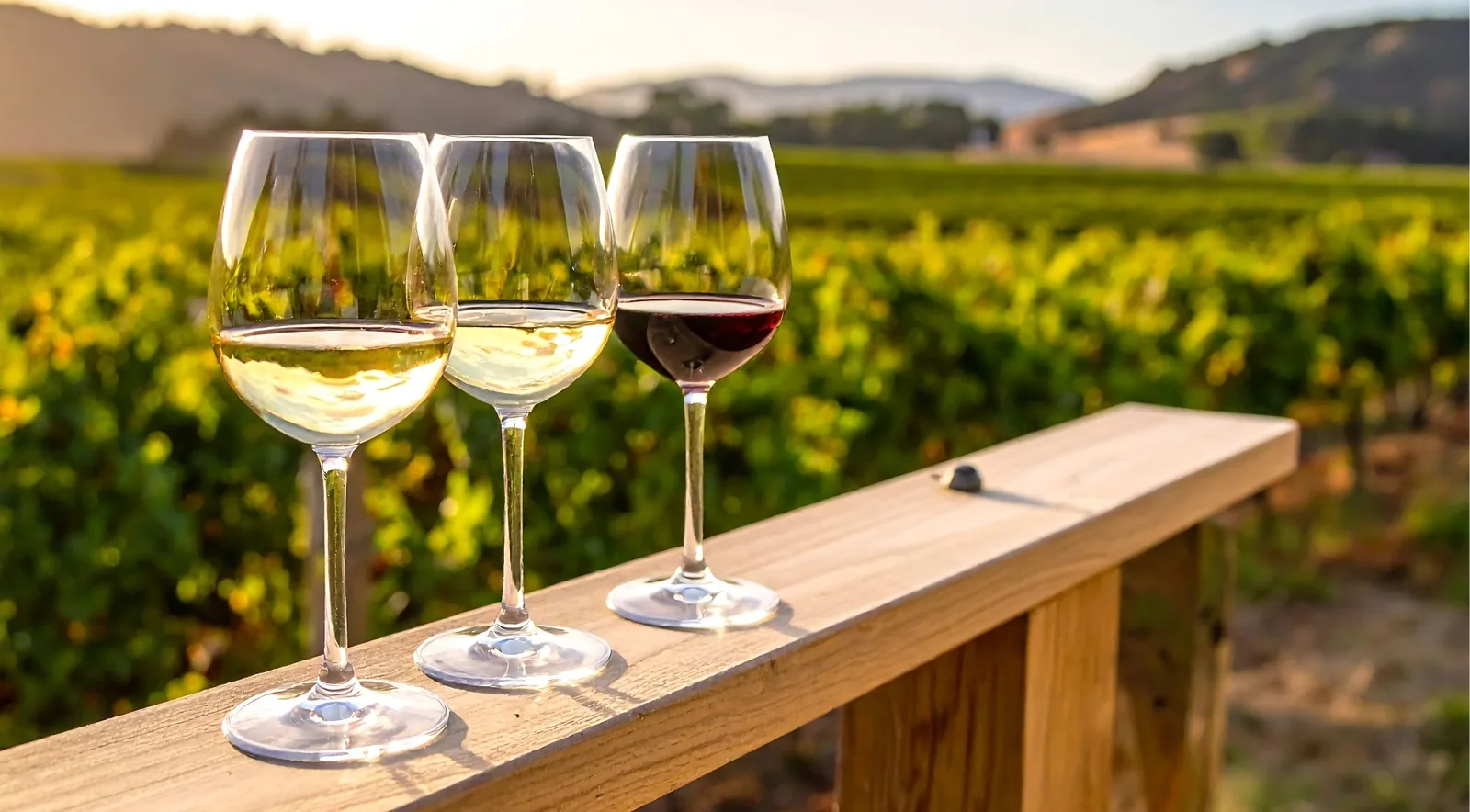
Carricante is the white grape that defines Mount Etna, and for many visitors it is the biggest surprise of an Etna wine trip. People arrive expecting the volcano’s most interesting wines to be red, then taste a fresh, salty, citrus-driven Etna Bianco and realise Etna takes white wine just as seriously. Carricante is the backbone of Etna Bianco DOC and the essential grape behind Etna Bianco Superiore, the more tightly defined category tied to the village of Milo on the volcano’s eastern slope, and it can produce wines with lemon, green apple, white flowers, herbs, saline notes, real mineral character, high acidity and genuinely impressive ageing potential.
Check Availability
Carricante at a glance
| Question | Quick answer |
|---|---|
| Main region | Mount Etna, Sicily |
| Main DOC style | Etna Bianco |
| Special designation | Etna Bianco Superiore |
| Typical flavours | Lemon, green apple, herbs, flowers, saline notes |
| Acidity | High |
| Body | Light to medium, sometimes fuller with age |
| Best-known area | East Etna, especially Milo |
| Ageing potential | Good to excellent in serious examples |
| Best food pairings | Seafood, shellfish, grilled fish, fresh cheeses |
| Best for | White-wine lovers, mineral-wine drinkers, seafood meals |
What is Carricante?
Carricante is a native Sicilian white grape most strongly associated with Mount Etna, where it has been grown for generations and is particularly well suited to high-altitude vineyards, volcanic soils, cooler mountain nights and long growing seasons. What sets it apart is how much acidity it retains even in Sicily’s warm Mediterranean climate — a sharp contrast to the broad stereotype of soft, ripe southern Italian white wine.
What does Carricante taste like?
Young Carricante typically shows lemon, lime, green apple, white peach, white flowers, herbs, saline character and chalky or stony impressions, with fennel, almond, citrus peel, smoke or a waxy texture appearing depending on the producer and vineyard. With age it becomes more complex, often developing preserved lemon, honey, herbs, wax, nuts and savoury mineral notes. It is normally made as a dry white wine, and freshness rather than sweetness is the defining character — high acidity can make it feel especially crisp when young.
Why is Carricante so acidic?
Several factors preserve it. Many Etna vineyards sit high above sea level, where cooler conditions slow ripening, and strong day-to-night temperature swings help lock in freshness. Carricante also ripens relatively late, and on the eastern side of Etna vineyards benefit from the cooling, moisture-bearing influence of the Ionian Sea. Together, these conditions are what let Carricante hold onto its characteristic acidity despite growing in a warm Mediterranean climate.
Carricante, Etna Bianco and Etna Bianco Superiore
Carricante is the key grape in Etna Bianco DOC, which must contain at least 60% Carricante, with Catarratto (comune or lucido) permitted to make up the rest — so not every Etna Bianco is pure Carricante, and it is worth checking the blend if you want the most classic expression.
Etna Bianco Superiore is stricter still: at least 80% Carricante, and it can only be made from grapes grown in the delimited production zone within the municipality of Milo, on the volcano’s eastern flank. That geographic tie is one of the tightest sub-zone rules in Italian white wine, and it is why Milo bottles cost what they do — “Superiore” here is not a marketing label but a rule about origin, grape composition and production.
Milo sits on the eastern slope, where the terrain receives more moisture than much of the rest of Etna and benefits strongly from the Ionian Sea. Combined with altitude and volcanic soils, that makes it a natural home for fresh, structured white wine, and important nearby areas include Santa Venerina and Zafferana Etnea, along with eastern Etna more broadly. If white wine is the priority for your visit, Milo should be near the top of the list.
What makes Carricante different from other Sicilian whites?
Sicily grows plenty of white varieties — Catarratto, Grillo, Inzolia, Zibibbo — but Carricante stands apart for its high acidity, mineral style, ageing ability and strong tie to high-altitude volcanic vineyards. It tends to be less overtly fruity than many warm-climate whites; its appeal is built on tension, freshness, structure, salinity and a clear sense of place rather than ripe fruit.
Compared with Catarratto, its usual blending partner in Etna Bianco, Carricante brings the acidity, citrus, saline character, structure and ageing potential, while Catarratto contributes fruit, body, floral notes and softness — a blend can balance nicely, but the highest-Carricante bottlings are the ones that show the grape at its most classic. Against Grillo, another famous Sicilian white, Carricante is higher in acidity, more mineral and more saline, where Grillo runs riper, broader and more aromatic and is tied more to western Sicily.
Outside Sicily, Carricante is usually more interesting held up against grapes built the same way. Against Chardonnay it shows more acidity, more citrus and more herbal, saline character, where Chardonnay tends toward broader fruit, obvious oak and a creamier texture — some Carricante does see oak, but the grape’s freshness stays central regardless. Against Sauvignon Blanc it is usually less aromatic but more mineral, saline and structured, a good next step if you like Sauvignon Blanc’s freshness but want something more savoury. The closest comparison is Riesling: both can show high acidity, real ageing ability and a strong sense of place, but Riesling tends toward lime, stone fruit and petrol with age, while Carricante leans toward lemon, herbs, salinity and volcanic-mineral impressions.
Is Carricante a mineral wine?
It is often described that way, with tasting notes running to stone, salt, chalk, flint and smoke. It is more useful to treat “mineral” as sensory language than as a literal transfer of rock flavour into the glass — Etna’s volcanic soils clearly shape vine growth, drainage and water availability, but the relationship between soil minerals and wine flavour is genuinely complex. Many tasters also describe Carricante as saline, something between sea spray and savoury freshness; the effect is usually subtle, and it is a large part of why the wine works so well with seafood.
Does Carricante age well?
Yes, and this is one of the most important things to understand about the grape. High-quality Carricante can age for years, developing richer texture, wax, honey, herbs, preserved citrus, nuts and savoury complexity along the way. A young bottle typically shows lemon, green apple, sharp freshness, flowers and salinity; an aged one can show wax, honey, citrus peel, herbs, nuts and fuller texture — which makes a vertical tasting, several vintages of the same wine side by side, especially rewarding. Premium Carricante should never be assumed to be a drink-young wine.
Some producers ferment or age Carricante in stainless steel, concrete or large neutral oak, others in smaller barrels; oak can add texture, spice and roundness, but heavy oak can also mask the grape’s natural freshness, so a more restrained style is usually the easier first introduction. Carricante’s high acidity also makes it well suited to sparkling production, and Etna sparkling wines built on it can show citrus, apple, mineral freshness and fine bubbles — worth trying if a winery offers one during a tasting.
What food goes with Carricante?
Its acidity makes it excellent with food, especially grilled fish, shellfish, swordfish, prawns, clams, mussels, octopus, fresh cheeses, vegetable dishes and citrus-based sauces. On a Sicilian table, look for grilled swordfish, pasta alle vongole, seafood couscous, sardines, citrus-marinated fish, ricotta or caponata — the acidity cuts through richness and the saline character makes it a natural match for seafood specifically.
Serve it cold, but not ice-cold — too cold hides its aroma, texture and mineral character. A cool, cellar-like temperature is ideal, and a bottle straight from a very cold fridge is worth letting warm slightly in the glass before you judge it.
Is Carricante right for you?
It suits people who already like Sauvignon Blanc, Riesling, Chablis, Vermentino or other mineral Italian whites; the main thing to expect is acidity, and if you prefer soft, buttery whites, Carricante will feel sharper by comparison. For Chablis drinkers specifically it is often a natural next step, since both appeal to people who like high acidity, mineral style, citrus, restraint and food- friendly whites — Carricante just carries a more Mediterranean herbal and saline edge alongside it.
Best wineries and tastings for Carricante
Visitors often consider estates such as Benanti, Barone di Villagrande, Tenuta di Fessina, Murgo, Planeta and Pietradolce for Carricante-focused tastings — see the full guide to the best wineries on Mount Etna for which side of the mountain each sits on. For a broader flight that includes Etna DOC white wine alongside the rest of the range, the Catania sunset tour with Etna DOC wine is a well-reviewed option; if a Milo estate is not on your route, ask any winery you visit what percentage of Carricante is in each white on the list.
For a first tasting, look for a flight that moves from a standard Etna Bianco to a high-Carricante blend and then an Etna Bianco Superiore — that progression shows how geography and grape proportion change the wine. If you already know wine, ask for multiple vintages, a Milo bottling, older Carricante or a single- vineyard white instead; because Carricante ages so well, a vertical tasting is especially useful here. Worth asking at any winery: what percentage of Carricante is in this wine, is it Etna Bianco or Etna Bianco Superiore, where is the vineyard, what altitude, how old are the vines, what type of lava soil, is it fermented in steel or oak, and how long can it age?
How much does Carricante cost, and is the expensive stuff worth it?
| Style | Typical retail range |
|---|---|
| Entry-level Etna Bianco | €12–€25 |
| Better estate Etna Bianco | €20–€35 |
| Etna Bianco Superiore | €25–€45+ |
| Premium single-vineyard Carricante | €35–€70+ |
| Rare or mature bottlings | €60+ possible |
These are broad planning ranges rather than fixed prices. More expensive bottles usually reflect lower yields, older vines, better vineyard sites, more selective harvesting, single-vineyard origin or longer ageing, though price alone never guarantees a better wine. A good way to test whether the upgrade matters to you is to taste one standard Etna Bianco alongside one premium Carricante side by side.
When to taste it, and finding it off the mountain
Carricante can be enjoyed on Etna year-round: spring offers green vineyards, mild weather and fewer crowds; summer suits seafood lunches, long days and outdoor tastings; autumn is interesting around harvest; and winter is excellent for serious tastings and older vintages. It is most strongly tied to Etna, though it can be found elsewhere in Sicily, and its international reputation is overwhelmingly built on the combination of altitude, volcanic soils and microclimate that Etna specifically offers.
Frequently asked questions about Carricante
What is Carricante?
Carricante is a native Sicilian white grape most strongly associated with Mount Etna.
What does Carricante taste like?
Typical flavours include lemon, green apple, flowers, herbs, saline notes and mineral character.
Is Carricante dry?
Yes. Carricante is normally made as a dry white wine.
What is Etna Bianco?
A DOC white wine containing at least 60% Carricante, with Catarratto permitted for the remainder.
What is Etna Bianco Superiore?
A stricter category requiring at least 80% Carricante, made only from grapes grown in the delimited zone within the commune of Milo.
Is Carricante acidic?
Yes. High acidity is one of its defining characteristics, preserved by altitude, cool nights and late ripening.
Does Carricante age well?
Yes. Serious examples can develop considerable complexity — wax, honey, nuts — over years in bottle.
What food goes with Carricante?
Seafood, shellfish, grilled fish, fresh cheeses and vegetable dishes are especially good matches, thanks to its acidity and saline character.
Where should I taste Carricante on Mount Etna?
East Etna, especially Milo, is the most important area, with Santa Venerina and Zafferana Etnea also worth knowing.
Final verdict
Carricante is one of Sicily’s most distinctive white grapes and an essential part of any Mount Etna wine trip — visit and taste only red, and you miss half the story. It shows the freshness of high-altitude Etna, the importance of the eastern slope, the ageing potential of Sicilian white wine and the range volcanic terroir can produce, and for many wine lovers Etna Bianco ends up just as memorable as Etna Rosso. If you are new to the grape, start with a standard Etna Bianco, then compare it against an Etna Bianco Superiore from Milo — that one comparison does more to explain how grape proportion, geography, altitude and volcanic soils shape Etna white wine than any amount of reading.
Related guides
Taste Etna Where It Grows
Cellar visits, Etna DOC tastings and vineyard lunches on the slopes of an active volcano — leaving Taormina and Catania most mornings. Free cancellation on every tour compared here.
Check Availability & Book