The Etna Wine Region
How the Etna wine region is actually laid out: the north, east and south slopes, the villages worth knowing, the two grapes that define it, and how to plan a wine day that doesn't turn into a driving tour.
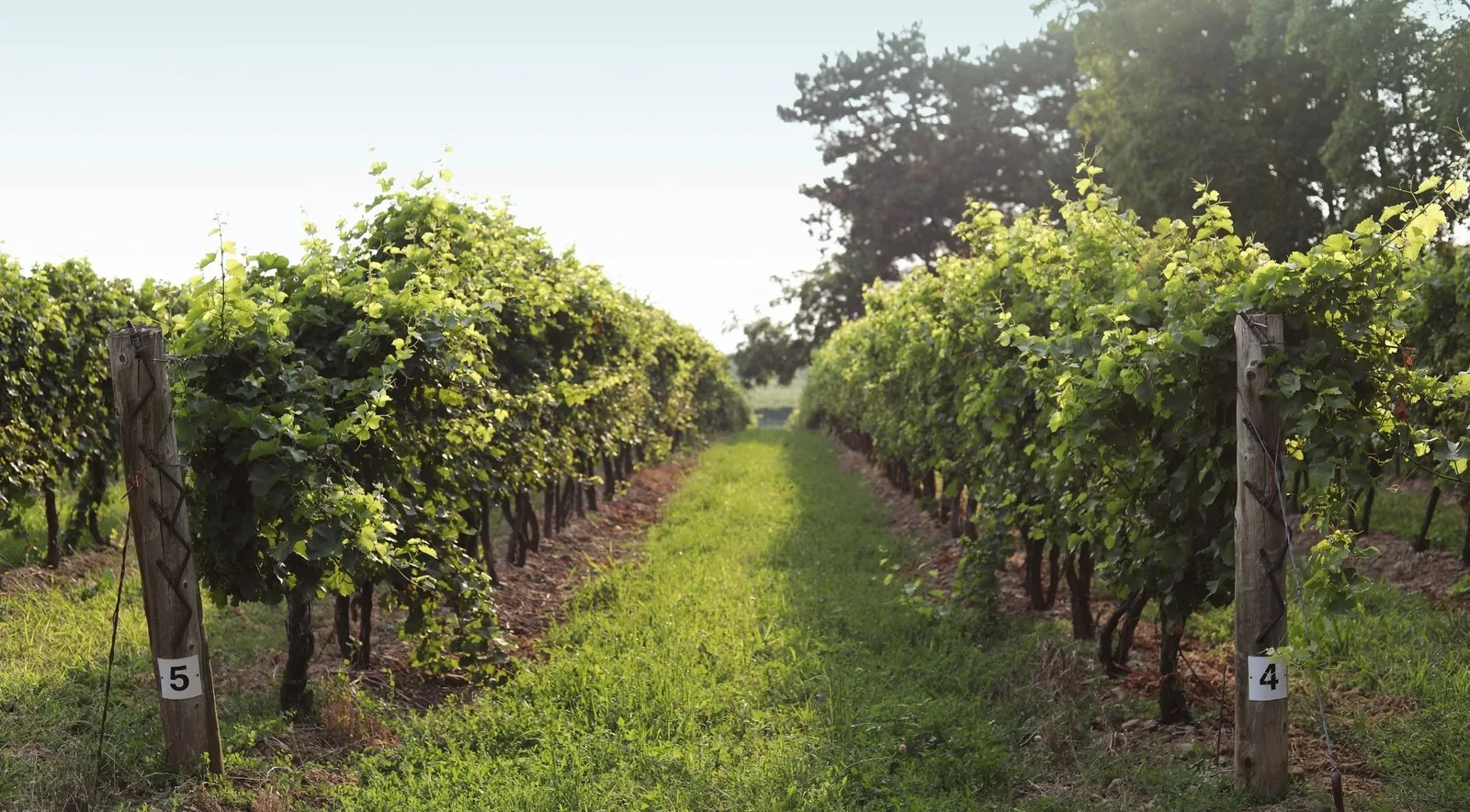
The Etna wine region does not sit in one valley the way most wine country does. It wraps around an active volcano, so vineyards a few kilometres apart can sit on lava flows formed centuries apart, at different altitudes, facing different weather. That is the whole reason “Etna wine” is not one style: the north, east and south slopes can taste genuinely different from each other, and the historic contrade — named vineyard districts — have become the way serious producers describe exactly where a wine came from.
For a visitor, that variety is also the planning problem. There are excellent wineries on every side of the mountain, but the region is spread out, and choosing estates without thinking about geography usually means spending more of the day driving than tasting.
Quick answer: if red wine and Nerello Mascalese are the priority, focus on North Etna — Linguaglossa, Castiglione di Sicilia, Passopisciaro, Randazzo. If Carricante and white wine matter more, focus on East Etna, especially Milo. If this is a first visit and the volcano matters as much as the wine, South Etna pairs sightseeing with a winery lunch most easily. Two well-chosen wineries on one side of the mountain beat four rushed estates on opposite slopes, every time.
Check Availability
Why Etna produces such distinctive wine
Four things are doing the work, and they compound rather than acting separately.
Volcanic soil that isn’t one soil. Etna has erupted repeatedly over centuries, so nearby vineyards can sit on lava of very different ages — some young and rocky, some broken down into finer material over a much longer time. That is the main reason producers care so much about individual sites rather than treating the volcano as a single terroir. “Volcanic” is a real influence on drainage and root environment; it is not a flavour you can taste directly, whatever a tasting note implies.
Altitude most Mediterranean vineyards don’t have. Many Etna sites sit at elevations that keep nights cool, slow ripening down, and help the grapes hold onto acidity through the growing season — one of the main reasons Etna reds taste fresher than warmer, lower-altitude Sicilian wine.
Real day-to-night temperature swings, which do the same job as altitude: letting Nerello Mascalese and Carricante ripen fully without losing freshness.
Four genuinely different exposures around one mountain. North-, east- and south-facing vineyards see different rainfall, wind and sun, which is why asking “what does Etna wine taste like” only has a useful answer once you say which side of the volcano you mean.
The rules behind all of this — the grape percentages, the Milo sub-zone, the contrada system — are set out in full in the Etna DOC guide; this page is about where those rules play out on the ground.
Where is the Etna wine region?
The Etna DOC zone wraps around most of the volcano instead of sitting in one compact valley, taking in vineyard areas and wine towns including:
- Randazzo
- Castiglione di Sicilia
- Passopisciaro
- Solicchiata
- Linguaglossa
- Milo
- Santa Venerina
- Zafferana Etnea
- Trecastagni
- Viagrande
Each side combines its own altitude, exposure, rainfall and lava-soil age, which is the reason a north-slope Nerello Mascalese and an east-slope one can taste like different wines from the same grape.
The two grapes that define Etna
Nerello Mascalese is Etna’s signature red grape and the backbone of Etna Rosso — red cherry, wild strawberry, dried herbs and spice, with real acidity and fine tannin behind a colour that pours far paler than most visitors expect. Carricante is the region’s essential white grape, behind Etna Bianco — citrus, green apple, saline minerality and enough structure that the better examples age well. If you only remember two names before a tasting, make it these; the DOC guide covers the supporting grapes, Nerello Cappuccio and Catarratto, and the exact blend rules behind each wine style.
What are Etna’s contrade?
Contrade are the historic districts that divide the volcano into smaller growing areas, and the Etna DOC consortium describes roughly 133 of them across the denomination. Two Nerello Mascalese vineyards a short drive apart can sit on lava of different ages, at different altitudes and exposures, and taste noticeably different as a result — which is why contrada names increasingly appear on premium labels instead of a simple estate blend. You do not need to memorise the map; a tasting that compares two contrade side by side teaches the idea faster than any diagram.
North Etna
Best for: Nerello Mascalese, Etna Rosso, contrada wines, old vines, and spending the day mainly on wine, not sightseeing.
North Etna is the side most wine enthusiasts mean when they talk about the mountain’s reputation — black lava terraces, dry-stone walls and some of the region’s oldest vineyards, running through Linguaglossa, Castiglione di Sicilia, Passopisciaro, Solicchiata and Randazzo.
Best base: Taormina works well; Linguaglossa or Randazzo work better still if wine, not sightseeing, is the actual point of the stay. The full comparison of formats leaving Taormina is in our Taormina wine tour guide.
East Etna
Best for: Carricante, Etna Bianco, and travellers based in Catania or along the Ionian coast.
The eastern slope — Milo, Santa Venerina, Zafferana Etnea — sits closer to the Ionian Sea and gets noticeably more rainfall than the north, which suits Carricante well. Milo carries the extra weight of Etna Bianco Superiore, a stricter sub-zone rule reserved for grapes grown within the commune — reason enough to put it high on the list for anyone who prefers white wine to red.
South and south-east Etna
Best for: first-time visitors who want the volcano and the wine in one day.
The area around Trecastagni, Viagrande and Nicolosi is the most convenient slope from Catania, and it is where most Etna sightseeing-plus-winery combinations actually run. If this is your first trip to the mountain and you want both halves of the experience without adding a second day, South Etna is usually the easiest option logistically — see the Catania wine tour guide for the formats that combine the two.
Randazzo, Castiglione di Sicilia, Passopisciaro and Linguaglossa
Four names worth knowing on North Etna specifically, each slightly different:
Randazzo sits on the north-western side, farther from Taormina than the other three but worth the extra drive for a slower wine day, a historic centre and a quieter atmosphere than Taormina itself.
Castiglione di Sicilia is one of the most important wine towns on the mountain, close to several of Etna’s best-known contrade — the name to remember if Etna Rosso and contrada wines are the priority.
Passopisciaro is strongly tied to North Etna’s rise as an internationally recognised fine-wine area: old vines, lava terraces and high-altitude sites cluster around it.
Linguaglossa is both the practical gateway to all three and a base in its own right, and it is the closest wine village to Taormina by a wide margin. A premium sommelier-led tasting at a north-slope estate here runs $68 for five current-vintage wines with a full food pairing. Our breakdown →
Milo, Santa Venerina and Zafferana Etnea
Milo should be the priority for anyone who prefers white wine — it is the only commune tied to Etna Bianco Superiore, and a Milo-focused tasting shows a very different side of Etna from a red-heavy visit to the north.
Santa Venerina is a useful east-Etna stop for travellers coming from Catania, Acireale or Giarre who want wine without driving the whole way around to the north side.
Zafferana Etnea is better known to most visitors as an Etna sightseeing gateway, but it also fits naturally into a food-and-wine day — useful for mixed groups who want more than wine alone.
Which side of Etna is best for wine tasting?
There is no single right answer; it depends on what you are actually optimising for.
Choose North Etna if red wine is the priority, you love Nerello Mascalese, you want contrada wines specifically, or you are staying in Taormina and would rather spend the day on wine than on sightseeing.
Choose East Etna if you prefer white wine, Carricante interests you, or you want to visit Milo and you are based in Catania or along the Ionian coast.
Choose South Etna if this is your first Etna visit, you want the volcano and a winery in the same day, and convenience matters more than chasing the most famous names.
How many wineries should you visit in a day?
For most people, two — enough variety without rushing, and time to actually compare what you are tasting rather than collecting stamps. A sensible day looks roughly like:
| Time | What happens |
|---|---|
| 10:30 | First winery |
| 12:30 | Lunch |
| 14:30 | Second winery |
| 16:30 | Village or scenic stop |
The Etna wineries small-group tour follows close to this shape: pickup from Taormina, two working estates around Castiglione di Sicilia, three DOP wines with a full lunch at the second stop, and vineyard and cellar walks at both — $162, 4.83★ from 107 reviews. Our breakdown → Three wineries can still work; four usually turns the day into logistics rather than tasting.
Should you book winery visits in advance?
Yes. Many Etna estates run tastings by appointment rather than keeping open cellar-door hours, particularly from May to October, at weekends, and for lunch, an English-speaking tasting, a premium flight, or a small estate. Do not assume every winery works like a walk-in tasting room.
Can you visit Etna wineries without a tour?
Yes, and self-driving can be one of the best ways to explore the region: a north-slope tasting booked directly at the cellar runs about $47, roughly a third of a comparable transfer-inclusive tour, because you are paying for the wine rather than the minibus. The obvious catch is alcohol — someone has to stay under the legal limit on mountain roads, which is why tasting freely as a group usually means booking an organised tour or a private driver instead. Our guide to visiting without a tour covers the trade-off in more detail.
Which wineries are actually worth visiting?
There are excellent estates on every side of the mountain, from well-known names to small family producers, and the right one depends on what you want from the visit — a serious contrada comparison, a long lunch, a view, or a first introduction to Etna Rosso and Bianco. Rather than duplicate that comparison here, the full breakdown of ten estates worth a visitor’s time — which slope each sits on, who each one suits, and which you can book through this site — is in our best wineries on Mount Etna guide.
Best base for Etna wine country
Taormina suits North Etna best — Linguaglossa, Castiglione di Sicilia, Passopisciaro — and works well if wine is a day trip from a coastal base. Catania suits South and East Etna and gives the widest choice of shared volcano-plus-wine tours. Linguaglossa itself is a genuinely wine-focused, less touristy base if North Etna is the whole point of the stay. Randazzo suits slower, more serious wine travel on the north-west side.
What does an Etna wine tasting cost?
A broad planning range, in the euro figures most estates publish directly:
| Experience | Typical planning range |
|---|---|
| Basic tasting | €25–€40 pp |
| Tasting with food | €35–€70+ pp |
| Premium tasting | €50–€100+ pp |
| Luxury or contrada-focused tasting | €100–€150+ pp |
| Wine tour with transport | €90–€160+ pp |
Treat those as planning ranges rather than fixed rates — the listings compared on this site are priced in US dollars and include the booking, which is why the figures above land differently from the $47–$314 range quoted throughout this page. The full breakdown of what drives the difference is in the price guide.
What should you taste?
For one tasting, try to cover Etna Bianco, Etna Rosato, Etna Rosso and a premium or contrada red — a much better picture of the region than five similar reds. If the estate specialises in white wine, add a Carricante-focused Bianco, an Etna Bianco Superiore if it is a Milo property, or an older white vintage.
Best Etna wine itinerary for first-time visitors
A simple one-day plan: one winery in the morning for the vineyard, cellar and an introductory tasting; lunch at the estate or a local restaurant; a second, contrasting winery in the afternoon; and a stop in Castiglione di Sicilia, Randazzo or Milo on the way back, depending on the route. That beats trying to cover the whole volcano in a day, every time.
From Taormina: Taormina → Linguaglossa → Castiglione di Sicilia or Passopisciaro → winery lunch → second winery → Taormina — a route that keeps you focused on North Etna rather than crossing the mountain.
From Catania: Catania → Milo or Santa Venerina → winery → lunch → a second east-Etna winery → Catania, or South Etna sightseeing → winery lunch → Catania if this is your first volcano visit as well as your first wine day.
Best time of year for Etna wine country
Spring brings green vineyards, mild temperatures and fewer crowds. Summer gives long, reliable touring days and outdoor lunches, against more visitors and hotter conditions at lower elevations. Harvest, from late summer into autumn, is especially interesting for wine travellers — the exact date varies by grape, altitude and vintage, and higher Etna vineyards ripen relatively late. Winter is quieter, with snow often visible on the upper mountain and some estates running more limited schedules, but tastings still run and can be excellent.
What to wear for an Etna winery day
Nothing formal is required: comfortable shoes, smart-casual clothes, a light layer and sun protection cover most days. Vineyard terrain runs to gravel, dust, slopes and uneven paths, and elevation can make Etna noticeably cooler than the coast — worth a light jacket even when Taormina or Catania is warm.
Is Etna wine country worth visiting without wine expertise?
Yes. A good winery visit explains the volcanic soils, the local grapes, vineyard altitude and the contrada system in plain terms, and the landscape alone — terraced lava, dry-stone walls, vines at genuine altitude — makes the visit worthwhile even before the glass is poured.
Common mistakes
Trying to see the whole region in one day. Etna is too large; pick one side and go deep rather than wide.
Choosing wineries only by fame. A smaller estate can give a far more personal tasting than a famous one squeezed into a group schedule.
Ignoring geography. Two excellent wineries on opposite sides of the volcano can add up to a terrible one-day itinerary — check the drive time before you fall in love with two names.
Visiting only red-wine producers. Carricante and Etna Bianco are essential to understanding the region, not a detour from it.
Assuming every estate takes walk-ins. Many require reservations, especially in season.
Frequently asked questions about the Etna wine region
What wine is Mount Etna famous for?
Etna Rosso, built mainly on Nerello Mascalese, and Etna Bianco, built mainly on Carricante.
Which side of Etna is best for wine?
North Etna is particularly known for red wine and contrada bottlings; East Etna, especially Milo, is the strongest side for Carricante and white wine.
What is Etna Bianco Superiore?
A stricter white-wine category requiring at least 80% Carricante, made only from grapes grown in the delimited zone within the commune of Milo — the full rules are in our Etna DOC guide.
What are Etna contrade?
Historic vineyard districts around the volcano that divide Etna into smaller growing areas, each with its own altitude, exposure, lava-soil age and microclimate — which is why two Nerello Mascalese wines from different contrade can taste genuinely different.
How many Etna contrade are there?
The Etna DOC consortium describes roughly 133 recognised contrade across the denomination’s territory.
Can I visit Etna wineries without a tour?
Yes, but booking ahead is recommended and someone in the group needs to stay under the legal driving limit.
How many wineries should I visit in a day?
Two is ideal for most visitors; three can still work, four usually turns the day into transit.
Is Taormina or Catania better for Etna wine?
Taormina is more convenient for North Etna; Catania is better positioned for South and East Etna and for combining wine with volcano sightseeing.
What is the best time of year to visit?
Spring and autumn are especially pleasant, and autumn adds the harvest, though wineries can be visited year-round.
Final verdict
The Etna wine region deserves to be treated as a destination in its own right, not an add-on to a volcano tour. If red wine is the priority, focus on North Etna — Linguaglossa, Castiglione di Sicilia, Passopisciaro and Randazzo. If white wine is the priority, focus on East Etna, especially Milo. If this is a first visit and the volcano matters as much as the wine, South Etna pairs the two most easily.
And whatever route you choose, do not try to see everything. You will understand Etna far better by spending real time at two well-chosen wineries on one side of the mountain than by driving the whole way around it collecting quick tastings.
Related guides
Taste Etna Where It Grows
Cellar visits, Etna DOC tastings and vineyard lunches on the slopes of an active volcano — leaving Taormina and Catania most mornings. Free cancellation on every tour compared here.
Check Availability & Book