The Etna Wine Route
How to plan a Mount Etna wine route one slope at a time: North Etna for Nerello Mascalese, East Etna for Carricante, South Etna for volcano plus winery, with villages, timings and itineraries from Taormina and Catania.
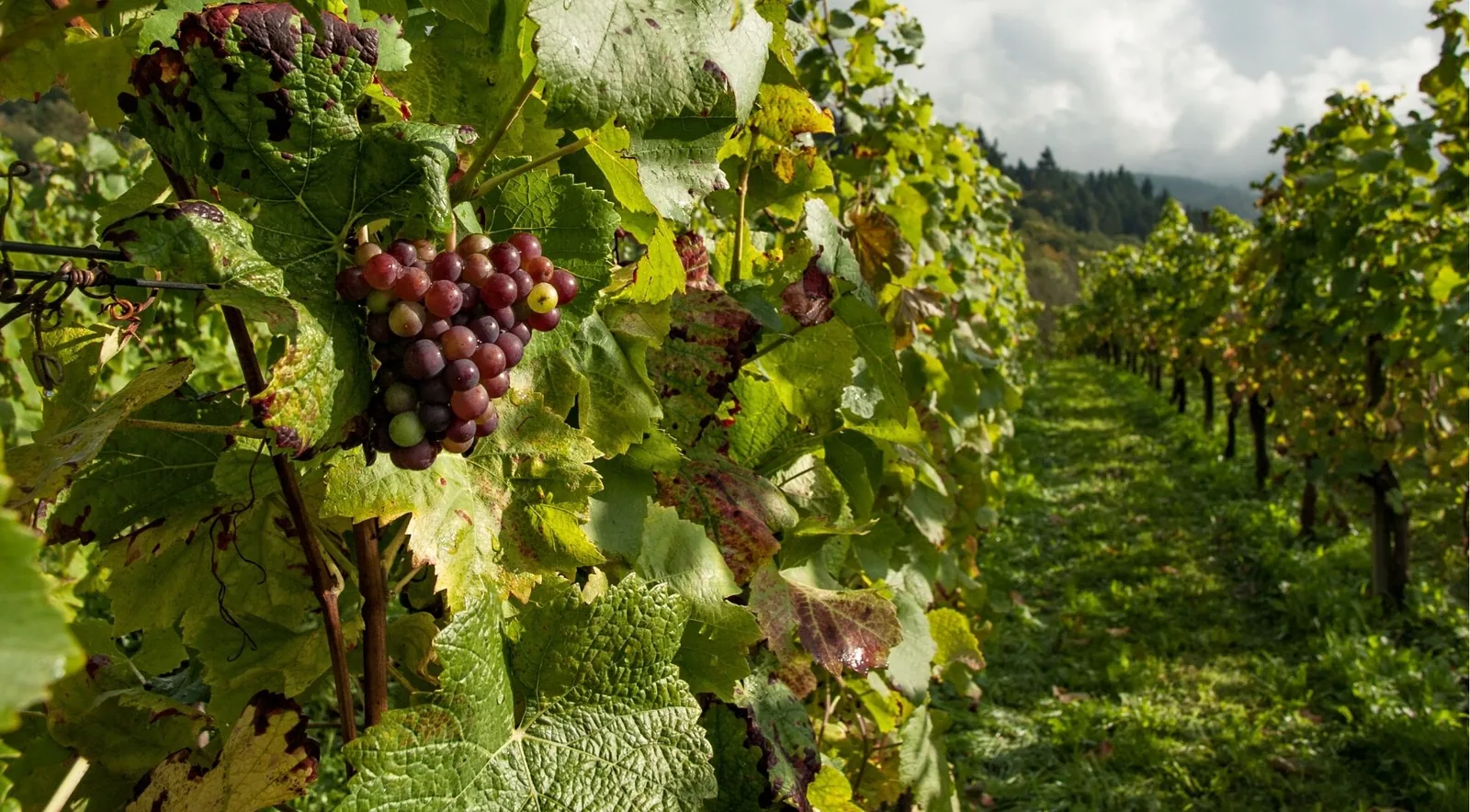
The best way to explore Mount Etna wine country is to pick one side of the mountain and stay on it. The vineyards wrap around the volcano, and getting between North, East and South Etna takes far longer than the map suggests, so a good wine route covers one slope at a time. North Etna is the route for Nerello Mascalese, Etna Rosso and the famous contrade. East Etna is the one for Carricante, Etna Bianco and Milo. South Etna is the easiest way to put time on the volcano and a winery visit into a single day from Catania.
Check Availability
This guide shows how to build a practical Etna wine route: which villages to add, how many wineries to visit, and which side to choose from Catania, Taormina or elsewhere in eastern Sicily.
Etna wine route at a glance
| Route | Best for | Main places |
|---|---|---|
| North Etna | Red wine, contrade, serious wine tasting | Linguaglossa, Castiglione di Sicilia, Passopisciaro, Randazzo |
| East Etna | Carricante, Etna Bianco, scenic food-and-wine days | Milo, Santa Venerina, Zafferana Etnea |
| South Etna | First-time visitors, volcano + winery combo | Nicolosi, Trecastagni, Viagrande |
| Taormina-based | North Etna | Linguaglossa, Castiglione, Passopisciaro |
| Catania-based | East or South Etna | Milo, Santa Venerina, Nicolosi |
What is the Etna wine route?
Unlike some wine regions, Etna has no single road lined with wineries. Wine tourism is spread across a large volcanic landscape, so the “Etna wine route” is best understood as a network of vineyard areas, wine villages and estates around the mountain, and your route should be planned by geography.
The biggest mistake is booking one winery on North Etna, one in Milo and one near Nicolosi on the same day. It can be done, but most of the day goes on the road and very little of it on tasting. The site’s Etna wine region guide explains why the slopes taste different; this page is about getting round them.
How many wineries should you visit in one day?
For most visitors, two wineries is ideal. A good day might run:
- 10:30 first winery
- 12:30 lunch
- 14:30 second winery
- 16:30 a village or scenic stop
Three wineries can work if they are close together, the tastings are short and someone is driving carefully. Four usually turns into a scheduling exercise, not a wine day.
Best Etna wine route for first-time visitors
If this is your first trip to Mount Etna and wine is only one part of the day, choose South or East Etna. Both are easier to combine with the craters, the lava fields, lunch and one winery, and both work especially well from Catania.
Best Etna wine route for wine lovers
Choose North Etna. It is the strongest route if you care about Nerello Mascalese, Etna Rosso, contrada wines, old vines and comparing one vineyard site with the next, and it holds some of the region’s best-known wine villages and vineyards. The grape is covered in depth in our Nerello Mascalese guide.
North Etna wine route
A practical route is Linguaglossa → Castiglione di Sicilia → Passopisciaro → Randazzo. You do not need all four; treat them as the anchors of the route.
Stop 1: Linguaglossa
Linguaglossa is one of the easiest gateways to North Etna, especially from Taormina. It works as a first coffee stop, a base for nearby wineries, the access point to Etna Nord and the start of a North Etna wine day.
Why add Linguaglossa? For easy access to the vineyards, the north-side lava landscapes, Castiglione di Sicilia and Etna Nord. It is a practical stop more than a scenic one. If you are driving, the Etna Nord tasting at Gambino, above Linguaglossa ($47) is an easy first appointment: a cellar tour at 900 metres and four current vintages with Sicilian cheeses.
Stop 2: Castiglione di Sicilia
Castiglione di Sicilia is one of the most important wine towns on Etna, surrounded by vineyards and close to many respected contrade. It is a good place to stop for lunch, visit a winery, walk the historic centre and carry on towards Passopisciaro.
Best for: Etna Rosso, Nerello Mascalese, small wineries and wine-focused days.
Stop 3: Passopisciaro
Passopisciaro is one of the most famous names in modern Etna wine. The surrounding area is known for high-altitude vineyards, old vines, lava terraces, important contrade and serious Nerello Mascalese, and for wine enthusiasts it is one of the strongest areas on the volcano.
Good route pairing: Castiglione di Sicilia + Passopisciaro. The driving between them is short, which makes them a natural pair for a two-winery day.
Stop 4: Randazzo
Randazzo lies farther west on North Etna. It works as a final stop, a lunch town, an overnight base or a gateway to the north-western vineyards, and it has more of a local-town feel than Taormina. Add it if you want a slower wine day.
Best North Etna itinerary from Taormina
Taormina → Linguaglossa → winery → Castiglione di Sicilia → lunch → second winery near Passopisciaro → Taormina. It keeps backtracking to a minimum, with a strong red-wine focus, village atmosphere and two winery visits.
Without a car, the small-group two-winery day from Taormina ($162) follows much the same line: hotel pickup, a stop in Castiglione di Sicilia, an aperitivo and tasting at the first cellar, then a full lunch with three DOP Etna wines at the second, in a nine-seater. Our breakdown →
Best North Etna itinerary for serious wine drinkers
Taormina → Castiglione di Sicilia → first winery → lunch → Passopisciaro / Solicchiata → second winery → Randazzo or return. Choose wineries with contrasting styles, such as one broad Etna DOC tasting and one contrada-focused tasting.
Wineries to consider on North Etna
Names visitors often consider include Tornatore, Cottanera, Pietradolce, Palmento Costanzo, Passopisciaro, Tenuta di Fessina at Rovittello and Planeta’s Etna estate at Feudo di Mezzo. Do not choose on fame alone. Check the tasting format, the location, whether lunch is offered, the wine style and the appointment times. The best route is the one where the estates fit together geographically; our guide to the best wineries on Mount Etna says which slope each one sits on.
East Etna wine route
A practical route is Zafferana Etnea → Milo → Santa Venerina. This side is particularly interesting for white wine.
Stop 1: Zafferana Etnea
Zafferana is a useful gateway to the eastern slopes and good for combining food, Etna scenery, honey, wineries and a local lunch. It suits mixed-interest groups especially well.
Stop 2: Milo
Milo is the most important name on East Etna for white-wine lovers: it is the only place Etna Bianco Superiore can come from, and one of the best places to explore Carricante.
Why visit Milo? For its white-wine focus, the cooler climate of the east slope, excellent food-and-wine experiences and its close link to Carricante. If you normally prefer white wine, Milo may interest you more than North Etna. See our Carricante guide for what to taste.
Stop 3: Santa Venerina
Santa Venerina is another strong wine stop on the east side, convenient from Catania, Acireale and Giarre, and it fits naturally into a Milo-focused itinerary.
Best East Etna itinerary from Catania
Catania → Zafferana Etnea → first winery → Milo → lunch → second winery near Milo or Santa Venerina → Catania. It suits Carricante, Etna Bianco, a relaxed lunch and fewer long drives. As a guided day, the Etna wine tasting and food tour ($140) starts in Zafferana Etnea with honey and olive oil, then visits two wineries for seven wines with a sommelier, with lunch and transport included.
Best East Etna route for white-wine lovers
Focus more tightly: Milo → winery lunch → second winery near Milo / Santa Venerina. That leaves time to compare standard Etna Bianco, Etna Bianco Superiore, premium Carricante and older white vintages.
Wineries to consider on East Etna
Names often considered include Barone di Villagrande in Milo, Murgo at Santa Venerina and Benanti, whose cellar is at Viagrande on the lower south-east slope. Again, the best choice depends on your route and the tasting style you want.
South Etna wine route
South Etna is best for visitors who want volcano plus wine, not a wine-only day. A practical route takes in Nicolosi, Rifugio Sapienza, Trecastagni and Viagrande.
Stop 1: Nicolosi
Nicolosi is one of the main gateways to South Etna, useful for breakfast or coffee, for access to the volcano and for organising a combined sightseeing day.
Stop 2: Rifugio Sapienza
This is one of the best-known visitor areas on Etna, with the Silvestri Craters, the cable-car station and wide lava landscapes. On a wine day, keep this stop fairly short unless the volcano is your priority.
Stop 3: Trecastagni and Viagrande
These lower-slope towns make sense for winery visits, lunch and an easy return to Catania. A sensible shape is Etna in the morning, a winery lunch in the afternoon, which is much more relaxed than trying to add a second major attraction.
Best South Etna route from Catania
Catania → Nicolosi → Rifugio Sapienza / Silvestri Craters → winery near Trecastagni or Viagrande → lunch → Catania. Best for first-time visitors, couples, short Sicily trips and anyone who wants both Etna and wine. The full-day Etna and wine tour from Catania ($132) is the guided version of this side of the mountain: a walk from Rifugio Sapienza, then a cellar visit and tasting at Ragalna, on the south-west slope. Lunch is not included.
North vs East vs South Etna wine route
Choose North Etna if wine is the priority, you like red wine, you want Nerello Mascalese or contrada wines, or you are based in Taormina.
Choose East Etna if you prefer white wine, you want Carricante or Milo, or you are based in Catania or on the Ionian coast.
Choose South Etna if this is your first visit, time on the volcano matters, you want an easy one-day combination, or you are based in Catania.
Best villages for an Etna wine day
| Village | Best for |
|---|---|
| Castiglione di Sicilia | North Etna, wine culture, the historic centre |
| Randazzo | A slower local atmosphere, north-west Etna, lunch |
| Milo | Carricante, white wine, East Etna |
| Linguaglossa | Access and North Etna logistics |
| Zafferana Etnea | Food, a scenic stop, mixed-interest itineraries |
Should you add the Alcantara Gorges?
Only if you have time. Alcantara pairs well with Taormina and North Etna, but adding it means less time at the wineries. A good rule: if wine is the priority, skip Alcantara; if variety is the priority, include it. Tours that combine the two include the full-day Etna, wine and Alcantara tour from Taormina ($151) and the Etna, wine and Alcantara day from Catania ($106).
Should you add Mount Etna’s summit areas?
Only if the volcano matters as much as the wine. Higher-altitude excursions can take several hours, which leaves less time for lunch, a second winery and village stops. For serious wine travellers, keep the volcano part of the day short.
Self-drive vs guided wine route
Self-drive is best for choosing exact wineries, travelling slowly, groups and anyone already renting a car. It is flexible, cheaper for groups and makes village stops easy. The drawbacks: someone has to limit their drinking, the reservations need coordinating, and rural navigation takes effort.
A guided tour is best for first-time visitors, couples, visitors without a car and groups where everyone wants to drink. There is no driving, the winery bookings are handled and the guide adds context. The drawbacks are a fixed itinerary and less choice of winery. Our guide to choosing an Etna wine tour compares the formats.
Can you use public transport?
Not easily for a multi-winery day. Buses reach some of the towns, but they are not built for winery hopping, rural vineyard access or fixed tasting times. For serious wine touring, use a rental car, a guided tour or a private driver.
How far apart are Etna wineries?
It varies enormously. Two wineries in the same area may be 10–20 minutes apart; two on different sides of the volcano can be 60–90+ minutes apart. That is why the geography matters so much.
How to build the perfect two-winery route
Use this formula:
- Winery 1: choose it for a vineyard visit and an introductory tasting.
- Lunch: at a winery or in a nearby village.
- Winery 2: choose it for contrast, a premium tasting or a different grape.
For example, on North Etna start at a winery with a broad Etna range and finish with a contrada tasting. On East Etna start with standard Etna Bianco and finish somewhere focused on Carricante and Bianco Superiore.
How long should you allow between tastings?
At least 30–45 minutes, even when the wineries look close, to cover paying, buying wine, parking, driving, getting lost and tastings that run late. Do not book appointments back to back.
Should you book lunch at a winery?
Often, yes. It means less driving, food paired with the wine, a relaxed pace and a day that flows better. It is particularly useful on East and North Etna. Our guide to Etna wine tours with lunch explains what a winery lunch usually includes.
Routes for different travellers
Best wine route for couples
Choose two wineries, one long lunch and one village. Avoid too many attractions, long drives, and three or four tastings.
Best wine route for groups
A private driver can make sense, so that everyone can taste, relax and forget about navigation. The private three-winery tour is from $314 per person, with pickup and a sommelier at each estate.
Best wine route for families
Choose one winery, lunch, one village and short scenic stops, and do not build the whole day around tastings.
Routes for different seasons
Best wine route in summer
Start earlier: first winery by 10:00, lunch around 13:00 and the second winery around 15:30. That keeps any walking out of the hottest part of the day.
Best wine route in autumn
Autumn is excellent for the harvest atmosphere, richer food, Etna Rosso and cooler temperatures. Book well ahead, because wineries can be busy with production.
Best wine route in winter
Keep the route compact. Winter suits serious tastings, cellar visits and quieter wineries, but allow for shorter daylight, changing weather and reduced opening hours. More in our guide to the best time for an Etna wine tour.
Do wineries accept walk-ins?
Some do; many do not. Always book ahead if you want lunch, need a tasting in English, want premium wines or are visiting a small estate.
How much should you budget?
A self-drive day with two wineries may cost roughly €25–€70 for the first tasting, €40–€100 for lunch, €25–€70 for the second tasting, plus fuel: around €90–€200 per person in total, depending on the level of wine and food. A guided two-winery day may cost €100–€190+ per person. Our Etna wine tour prices guide breaks down what each level buys.
Can you buy wine at the winery?
Usually, yes. It is a good chance to buy estate-only bottles, older vintages and premium wines. If you are flying home, think about luggage weight, packing and airline limits. Some wineries offer shipping.
Common wine route mistakes
- Trying to circle the volcano. Pick one side.
- Booking wineries too far apart. Check the driving time, not the straight-line distance.
- Booking three tastings plus lunch. Too much for most people.
- Ignoring white wine. Etna is not just red wine.
- Not reserving. Popular wineries can fill up.
- Driving after too much wine. Use a driver if everyone wants to drink freely.
Best Etna wine route: our recommendation
If you are staying in Taormina, choose North Etna: Linguaglossa → Castiglione di Sicilia → Passopisciaro. See our guide to Etna wine tours from Taormina.
If you are staying in Catania, choose East Etna: Zafferana Etnea → Milo → Santa Venerina. See our guide to Etna wine tours from Catania.
If this is your first Etna visit, choose South Etna and one winery: Nicolosi → Rifugio Sapienza → winery lunch.
Frequently asked questions about the Etna wine route
What is the best wine route on Mount Etna?
North Etna is best for red-wine enthusiasts. East Etna is best for Carricante and white wine. South Etna is the easiest for combining time on the volcano with a winery.
Can you drive around Etna wineries yourself?
Yes. Driving yourself is practical, but book the wineries ahead, and someone has to stay fit to drive.
How many wineries can you visit in a day?
Two is ideal for most people.
Which villages are best for wine?
Castiglione di Sicilia, Randazzo, Milo and Linguaglossa are among the most useful stops.
Is North Etna or East Etna better?
North Etna is stronger for Nerello Mascalese and Etna Rosso. East Etna is stronger for Carricante and Etna Bianco.
Is there an official Etna wine route?
There are established wine-tourism routes and associations around Etna, but for planning a trip it is more useful to think in geographic clusters than in one continuous road.
Is Taormina good for Etna wineries?
Yes. It is especially convenient for North Etna.
Is Catania good for Etna wineries?
Yes. It is particularly convenient for East and South Etna.
Do I need a car?
A car or an organised tour makes winery visits much easier.
Final verdict
The best Etna wine route is the one that avoids unnecessary driving. For red wine, take North Etna: Linguaglossa, Castiglione di Sicilia, Passopisciaro and Randazzo. For white wine, take East Etna: Milo, Santa Venerina and Zafferana Etnea. For a first volcano-and-wine day, take South Etna: Nicolosi, Rifugio Sapienza and a winery lunch nearby.
Whichever route you choose, keep it simple. Two wineries, one good lunch and one village will usually give you a better day than trying to circle the volcano and see everything at once.
Continue planning
Taste Etna Where It Grows
Cellar visits, Etna DOC tastings and vineyard lunches on the slopes of an active volcano — leaving Taormina and Catania most mornings. Free cancellation on every tour compared here.
Check Availability & Book