Mount Etna and Wine Tasting Tour
Is a combined Mount Etna and wine tasting tour worth it? What the volcano-and-winery day actually includes, how long it takes, how much of Etna you really see, and when a dedicated wine day is the better choice instead.
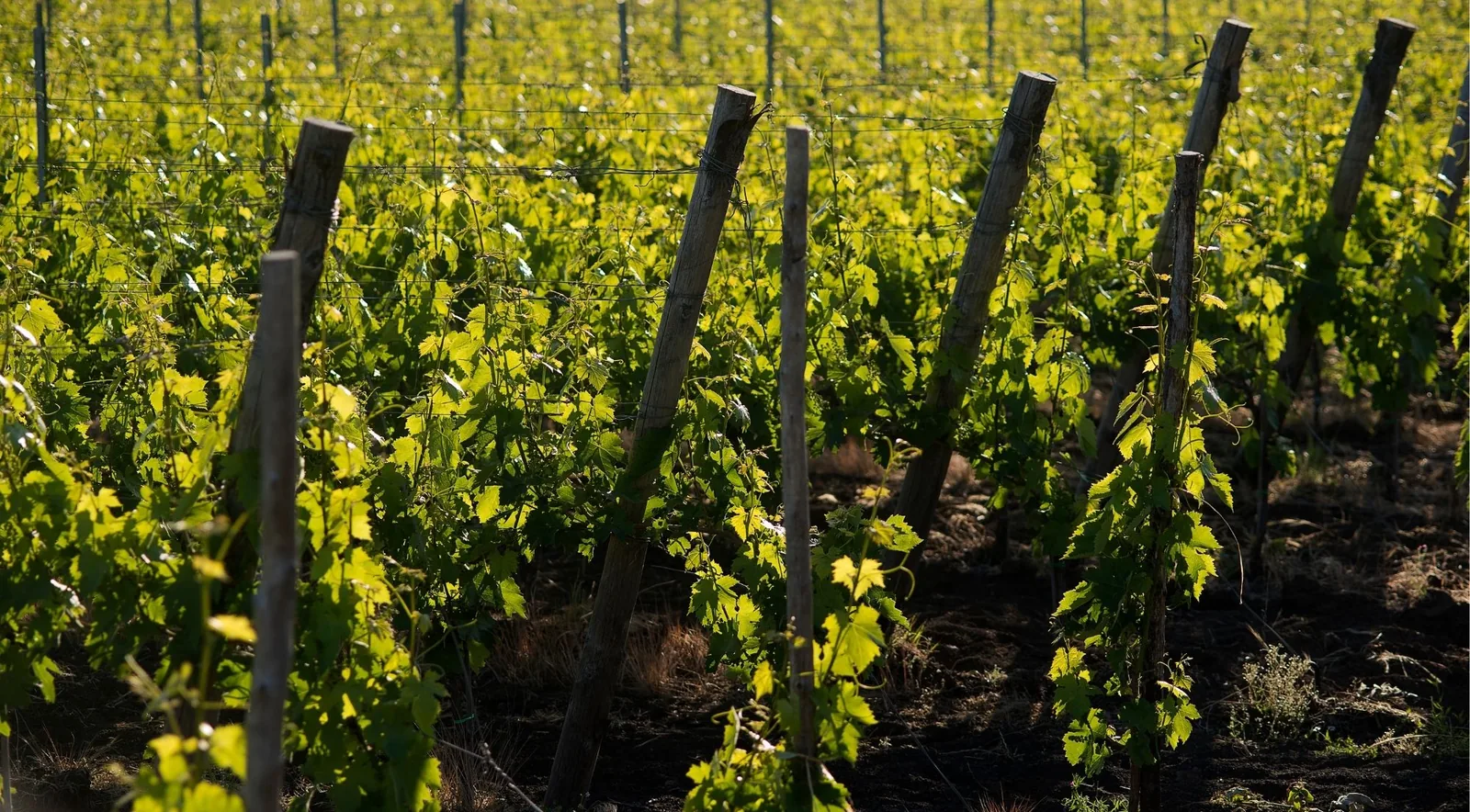
A Mount Etna and wine tasting tour sounds almost too convenient: walk across black lava on Europe’s most famous active volcano in the morning, then spend the afternoon tasting Etna DOC wines among vineyards on the same mountain. For a lot of visitors it genuinely is one of the best day trips in eastern Sicily.
The combination is not an artificial pairing invented for tourists, either. The volcano is the reason the wine region exists in the form it does — volcanic soil, altitude and old lava flows are what the wine is about. But the combo only works well when the itinerary is balanced. Some tours give you a meaningful stretch of Etna and a proper winery visit. Others rush the volcano, stop for a quick tasting, and add so many extra attractions that the day feels like ticking boxes instead of enjoying either half of it.
For most first-time visitors, yes — particularly if you have only one day to give Etna. If your priority is summit hiking or a serious, multi-estate wine day, a dedicated tour of one or the other is usually the better booking.
Check Availability
Quick verdict
Choose a Mount Etna + wine tasting tour if this is your first visit to Etna, you have one day available, you want both volcano scenery and local wine, you prefer organised transport, you do not need a full summit hike, and you are happy with one winery rather than several.
Choose a dedicated Etna tour instead if reaching the highest permitted altitude is your priority, you want a summit-focused hike, you want several hours of trekking, or geology interests you more than wine.
Choose a dedicated wine tour instead if you want two or more wineries, you care about contrada wines, you want long tastings, you want to compare producers, or lunch and wine matter more to you than crater sightseeing.
Why Mount Etna and wine work so well together
Etna’s vineyards are shaped directly by the volcano: volcanic soils, old lava flows, altitude, steep slopes, sharp temperature swings between day and night, and centuries of terracing built to hold vines on a working slope. When you see the black lava, the ash and the craters first and taste wine grown in that ground second, the wine is easier to place — you have just stood on the thing that made it.
That connection is what separates this combination from a generic winery stop bolted onto a sightseeing tour. It is also why Etna’s wine tourism grew up alongside its volcano tourism rather than as a separate industry.
What does a Mount Etna + wine tour usually include?
A typical full-day version includes:
- pickup from Catania or Taormina
- drive onto Mount Etna
- a panoramic viewpoint
- a short crater or lava walk
- a lava cave, on some itineraries
- winery visit
- a 3–5 wine tasting
- local food or lunch
- return transfer
Some tours add the Alcantara Gorges, a village stop, honey or olive-oil tasting, or a sunset finish. The general rule holds everywhere on this mountain: the more that gets added to a day, the less time you spend at any single stop.
How long does the combo tour take?
Most worthwhile Etna + wine days need at least six to eight hours. A realistic schedule looks something like:
| Time | What happens |
|---|---|
| 08:30–09:00 | Pickup |
| 10:00 | Arrival on Etna |
| 10:00–12:00 | Volcano sightseeing or a guided walk |
| 12:30 | Transfer to the winery |
| 13:00–15:00 | Wine tasting and lunch |
| 15:00–16:00 | Scenic stop or an additional activity |
| 16:30–17:30 | Return |
The full-day Etna, wine and Alcantara tour from Taormina follows close to this shape across 8.5 hours: a two-hour guided walk around extinct craters at about 2,000 metres, a lava cave, a Sicilian lunch at a winery with an Etna wine tasting, and a stop over the Alcantara canyons — $151, 4.86★ from 511 reviews. Our breakdown →
A half-day version exists, but something is always shortened — usually a briefer Etna visit, a shorter winery stop, or no full sit-down lunch.
Is the combo better than doing Etna and wine separately?
It depends on what you actually want from the trip.
The combo works better if: your trip is short, you want variety in one day, you would rather not organise two separate transfers, and you are not a specialist wine traveller who needs a long tasting.
Separate days work better if: you have more time in Sicily, you want a real summit hike, you want two or more wineries, you want a premium or contrada-focused tasting, or a rushed itinerary genuinely bothers you.
A combined tour buys efficiency. Separate days buy depth. Neither is the objectively correct choice — it is a question of which trade-off suits the trip you are actually on.
How much of Mount Etna do you actually see?
This is the biggest misunderstanding about combo tours. Most Etna + wine tours do not reach the summit. They commonly stop at lower or mid-altitude areas — the Silvestri Craters, older lava flows, panoramic viewpoints, lava caves and lower-altitude trekking routes, generally below 2,100 metres.
For a lot of casual visitors that is genuinely enough: the lava fields and craters at that altitude are still dramatic, and the guiding on the better tours makes the geology make sense. But if your goal is the cable car, a 4x4 higher up, hiking close to the summit craters or several hours of serious trekking, a dedicated Etna excursion — not a wine combo — is the right booking. A guided summit trek is a different product entirely from any of the tours compared on this page.
How much time do you spend at the winery?
A typical winery stop runs one to two hours: a short vineyard introduction, the cellar, the tasting and some food. A more substantial lunch-led stop can run two to three hours.
If a tour’s own itinerary describes only a 45-minute wine stop, treat it as a volcano tour with wine attached, not a genuine wine tour — for a meaningful wine component, look for at least 3–4 wines, a named estate, a cellar or vineyard visit, and roughly 90 minutes or more actually spent there.
How many wines are usually included?
Most standard combo tastings pour 3–5 wines — commonly an Etna Bianco, a Rosato, an Etna Rosso, sometimes a second red or a premium bottling. Some tours pour fewer; the private and premium options pour more. A well-explained four-wine flight is still a better experience than a rushed eight-glass pour, so treat the number as a secondary detail, not the deciding factor.
What food is usually included?
This varies more than the listings suggest. A basic tasting may mean bread, olives, cheese and cured meats. A light lunch typically adds antipasti, salumi, vegetables and bread. A full winery lunch — the kind the urban winery in Catania serves, for example — runs to antipasti, a pasta or rice course, a meat or fish course and dessert, poured alongside several Etna wines. Do not assume the word “lunch” always means a full sit-down meal; read the stated inclusions before booking.
Is it better to visit the volcano first or the winery first?
For most people, volcano first, winery second works better. Morning conditions on Etna tend to be calmer, hiking after drinking is not a great idea, and a winery lunch makes a natural, relaxing close to the day rather than an interruption in the middle of it. A winery-first order can still work well on a sunset-focused itinerary, where the wine and the light are the point rather than the hike.
Best Mount Etna + wine tour from Catania
Catania is the more convenient base for South Etna, the Rifugio Sapienza area, the Silvestri Craters and the east-slope wineries around Milo. A strong combo from Catania follows Etna sightseeing → winery → lunch → return, and the Catania day with Etna, wine and the Alcantara is the benchmark version: $106, eight hours, 4.84★ from 548 reviews, with a naturalist guide, a crater walk at around 2,000 metres, a lava cave with helmet and lamp, a sit-down winery lunch, and the Alcantara gorge. Boots, jacket, helmet, lamp, entrance fees and insurance are included. Our breakdown → Read the full Mount Etna wine tours from Catania guide for every format leaving the city.
Best Mount Etna + wine tour from Taormina
Taormina works especially well for North Etna: Linguaglossa, Castiglione di Sicilia and Passopisciaro, and generally more wine-focused days than Catania’s south-side departures. The Taormina Etna, wine and Alcantara day is $151 for 8.5 hours, 4.83★ from 519 reviews, and feels more wine-oriented than most south-side combination tours because the route naturally passes through the wine villages on the way to the mountain. See Mount Etna wine tours from Taormina for the full comparison of Taormina formats, including the two-winery and private options that skip the volcano entirely.
Mount Etna + wine + Alcantara: is it too much?
Sometimes. All three attractions sit in the same broad region, which is why the combination is so common, but each of volcanic landscape, wine and river gorge deserves real time. It is worth it if you have limited time and are happy with shorter stops at each; it is the wrong choice if wine is a priority, you want a long lunch, or you dislike rushed days. Think of it as a high-variety sightseeing day, not a deep wine experience.
Mount Etna + wine + Taormina sightseeing in one day
Possible, but usually too much. Volcano, winery, lunch and a major historic town each deserve their own time, and stacking all four into one day compresses every part of it. If you are already staying in Taormina, there is little reason to fold the old town into the Etna tour — explore it separately, on its own day.
Mount Etna + wine at sunset
Sunset combinations suit couples, photographers, summer visitors and anyone who would rather skip an early start. The Catania sunset tour with Etna DOC wine is the highest-rated tour on this site with more than 100 reviews, at 4.96★ from 168 reviews, and the sunset trekking version runs 4.94★ from 225 reviews.
Check carefully whether the wine component is substantial, though. There is a real difference between “Etna wine tasting” — a proper stop at an estate — and “a glass of wine at sunset,” which is a volcano tour with a pour attached. If the listing only mentions the second, do not book expecting a winery visit.
Shared vs private combo tour
Shared tour — best if you want value, you are a couple or travelling solo, and you are comfortable with a fixed itinerary. Advantages: cheaper, simple booking, social, transport included. Disadvantages: fixed timing, less winery choice, more waiting, less flexibility overall.
Private tour — best if you are a group, you want specific wineries, you want more wine and less general sightseeing, or you are celebrating something. Advantages: custom pace, fewer delays, more control over the winery, easier for families. Disadvantages: higher price, needs earlier planning, and premium estates may still require their own advance reservation regardless of transport.
How much does a Mount Etna + wine tour cost?
A useful planning range, in the euro figures most operators publish:
| Experience | Typical planning range |
|---|---|
| Half-day Etna + tasting | €60–€110+ pp |
| Full-day Etna + winery | €90–€150+ pp |
| Etna + winery + lunch | €100–€170+ pp |
| Etna + wine + Alcantara | €100–€180+ pp |
| Private combination tour | €150+ pp or group pricing |
| Premium private experience | €200+ pp possible |
Cost depends on pickup point, group size, lunch, winery quality, number of wines, duration and whether transport is private or shared. On this site the combo tours compared here run from $75 for a sunset version to $314 per person for a private three-winery day — see the price guide for the full breakdown across every format.
Is it worth paying more for lunch?
Usually, yes. A proper winery lunch slows the pace, gives context to the wines, removes the need for a separate food stop, and makes the winery half of the day feel substantial rather than incidental. When the price gap between a tasting-only listing and the lunch version is modest, the lunch option is generally the better value.
Is it worth paying more for a private tour?
It depends on group size. For two people the jump in price can be large relative to a shared tour; for four to six people it becomes far more reasonable per head. Private transport is worth considering if you care which winery you visit, want a slower pace, prefer less walking, or want access to premium wines — the real benefit is control, not luxury for its own sake.
Best combo tour for first-time visitors
Choose Etna sightseeing + one winery + lunch. It gives you volcano, wine, food and transport in a single day without overloading it — avoid adding extra stops just because a listing offers them.
Best combo tour for couples
Choose a winery lunch, a sunset tour, or a small-group premium option, and prioritise fewer stops, scenery and good food over a longer itinerary.
Best combo tour for families
Choose easy Etna sightseeing paired with a family-friendly winery lunch — short walks, outdoor space, a flexible meal and limited technical wine talk. Check age policies before booking: wine is poured to over-18s only across every listing compared on this site.
Best combo tour for non-drinkers
A combo can still work well for non-drinkers, since wine is only one part of the day — landscape, geology, food and cellar history all stand on their own. This is usually better value than booking a dedicated, wine-focused tour for a mixed group.
Best combo tour for wine lovers
If wine genuinely matters, choose a combo where the winery is not treated as an afterthought: look for a named estate, four or more wines, a real vineyard or cellar visit, a longer tasting, and ideally a contrada wine. If a listing is vague on all of those, a dedicated wine day is probably the better booking than any combo tour.
When the combo is not worth it
The combo tends to disappoint if you want the summit (most wine tours stay lower), serious hiking (winery time cuts directly into trekking time), several wineries (one is standard on a combo day), deep wine education (most combo tours are built for general visitors, not specialists), or a slow, unhurried pace (multi-stop itineraries can feel rushed by design).
What happens if Etna conditions change?
Etna is an active volcano, and mountain access can change with weather or activity. Good operators build in a fallback — lower craters, lava fields, a lava cave, scenic viewpoints, or extra time at the winery — rather than cancelling outright. The wine half of a combo tour is one reason these days stay enjoyable even when the mountain portion is restricted.
What should you wear?
Dress for Etna, not the tasting room: comfortable shoes, layers, a light jacket, sun protection and water. Even in summer, Etna is noticeably cooler than Catania or Taormina at altitude, and lava ground is rough — this is not the day for delicate shoes.
Should you book in advance?
Yes, especially from spring through autumn, at weekends, for a winery lunch, for private or small-group tours, and during harvest season. The winery component tends to make advance booking more important on a combo day than on a basic volcano tour, since good estates and small-group departures sell out first.
How to tell if a combo tour is actually good
Volcano component: how long on Etna, which area, craters or just a viewpoint, any hiking, cable car included, lava cave?
Wine component: named winery, how many wines, vineyard, cellar, lunch, contrada or premium wines?
Logistics: pickup, group size, total duration, return time, cancellation policy?
A vague answer to most of these is a warning sign, whatever the listing title promises.
Common booking mistakes
Choosing by number of attractions. More stops usually means less time at each one, not a better day.
Assuming “wine tasting” means a winery visit. It may only be a single glass poured mid-tour.
Assuming Etna means the summit. Most combo tours stay well below it.
Ignoring group size. A sixteen-person coach feels very different from a six-guest minivan.
Not checking what “lunch” actually includes. A snack platter is not lunch.
Overpacking the day. Etna, wine, Alcantara and Taormina sightseeing together is a lot for one itinerary.
Is the combo good value?
Usually, yes. You are effectively bundling transport, a guide, the volcano visit, the winery, the tasting and often lunch into a single booking, which is efficient for anyone travelling without a car. The value is strongest when the tour includes a proper Etna stop, a proper winery, and substantial food — and it drops sharply when both halves are reduced to quick photo stops.
Frequently asked questions
Is a Mount Etna and wine tasting tour worth it?
Yes, for most first-time visitors with only one day to spare — it is one of the easiest ways to experience both the volcano and Etna’s wine region without organising two separate trips.
Can you visit Mount Etna and a winery in the same day?
Yes. It is one of the most common day-trip formats on this mountain, and one of the most practical for travellers without a rental car.
Do Mount Etna wine tours go to the summit?
Usually not. Most combination tours stay at lower or mid-altitude areas unless higher access — a cable car or 4x4 route — is explicitly stated in the listing.
How long does the tour take?
A good full-day combination normally runs six to eight hours, sometimes longer with the Alcantara Gorges added.
How many wines are included?
Around 3–5 wines is standard on a combo tasting.
Is lunch included?
Sometimes. Check carefully whether the listing states a full lunch, a light lunch or only snacks — the wording varies more than it should.
Is the combo better from Catania or Taormina?
Catania is more convenient for South and East Etna; Taormina is the stronger base for North Etna wine country specifically. Both cities run genuine volcano-and-wine combination tours — see the Catania and Taormina guides for the full comparisons.
Is a private tour worth it?
It can be, especially for groups of four or more and for travellers who want more say over which winery they visit and how the day is paced.
Can children join a combo tour?
Many combination tours accept children, but winery access, walking difficulty and age policies vary by operator — check the specific listing before booking.
What happens if the volcano route closes?
Operators normally substitute lower-altitude alternatives — lava fields, viewpoints or extra winery time — instead of cancelling the tour outright.
Final verdict
A Mount Etna and wine tasting tour is one of the most efficient ways to experience the volcano when time in Sicily is limited, because the wine and the volcano are genuinely connected rather than bolted together for convenience.
For most first-time visitors, the best format is Etna sightseeing + one winery + lunch. If wine is the main interest, book two wineries instead of the combo. If summit hiking is the priority, book a dedicated Etna excursion rather than a wine day.
And when comparing similar combo listings, weigh meaningful time on Etna, a real winery visit, 3–5 wines, proper food, a smaller group and a simple itinerary more heavily than the number of attractions in the title. A well-balanced two-part day beats a tour that tries to fit five attractions into eight hours, every time.
Related guides
- Mount Etna Wine Tour from Catania
- Mount Etna Wine Tour from Taormina
- Best Mount Etna wine tours — which one should you book?
- Mount Etna wine tasting: what to expect
- Is a Mount Etna wine tour worth it? What the reviews say
- Best wineries on Mount Etna
For a closer comparison, choose between North and East Etna for wine tasting or plan a wine day without the summit.
Taste Etna Where It Grows
Cellar visits, Etna DOC tastings and vineyard lunches on the slopes of an active volcano — leaving Taormina and Catania most mornings. Free cancellation on every tour compared here.
Check Availability & Book